New Haven Chorale Lecture & Concert Series a Resounding Success
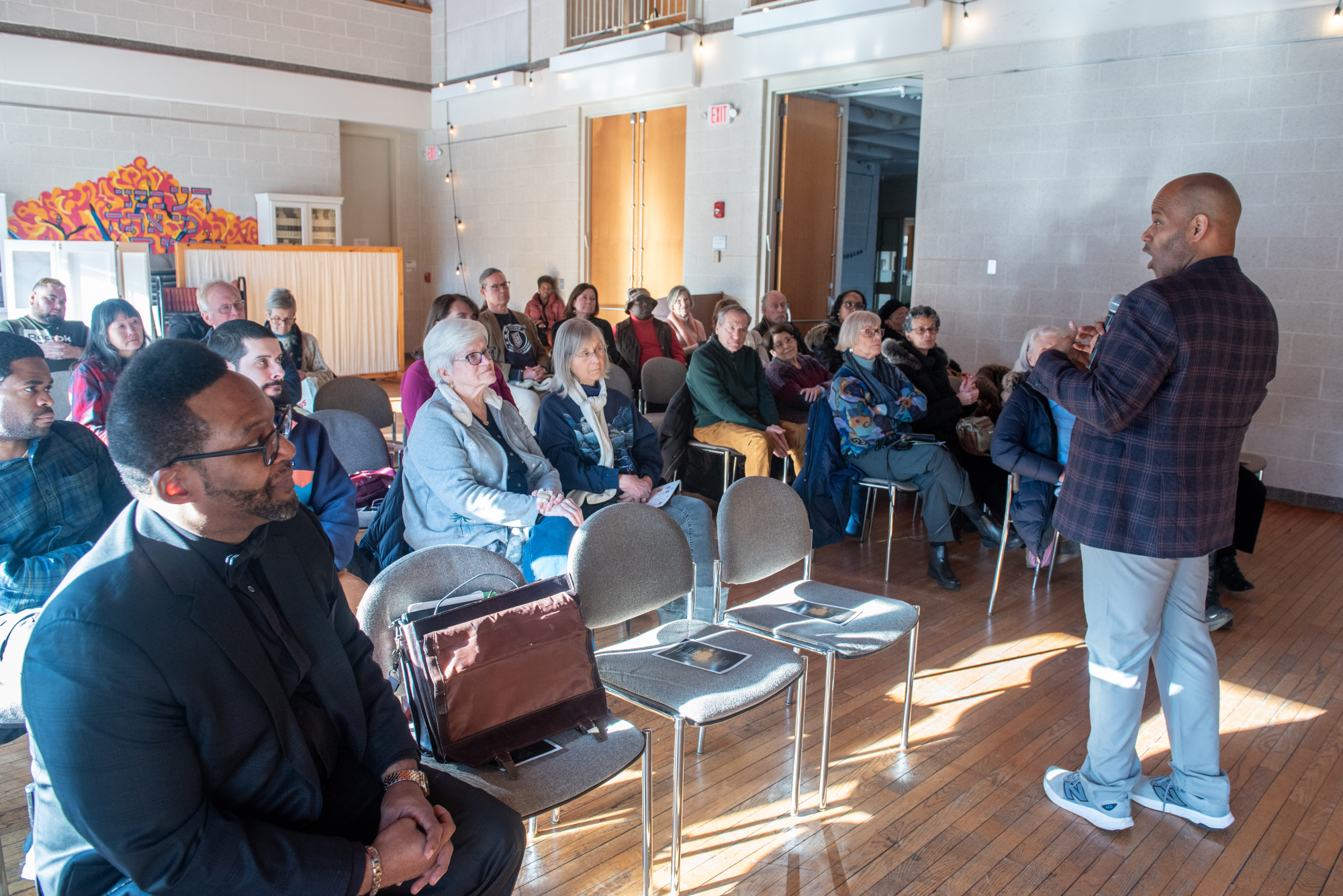
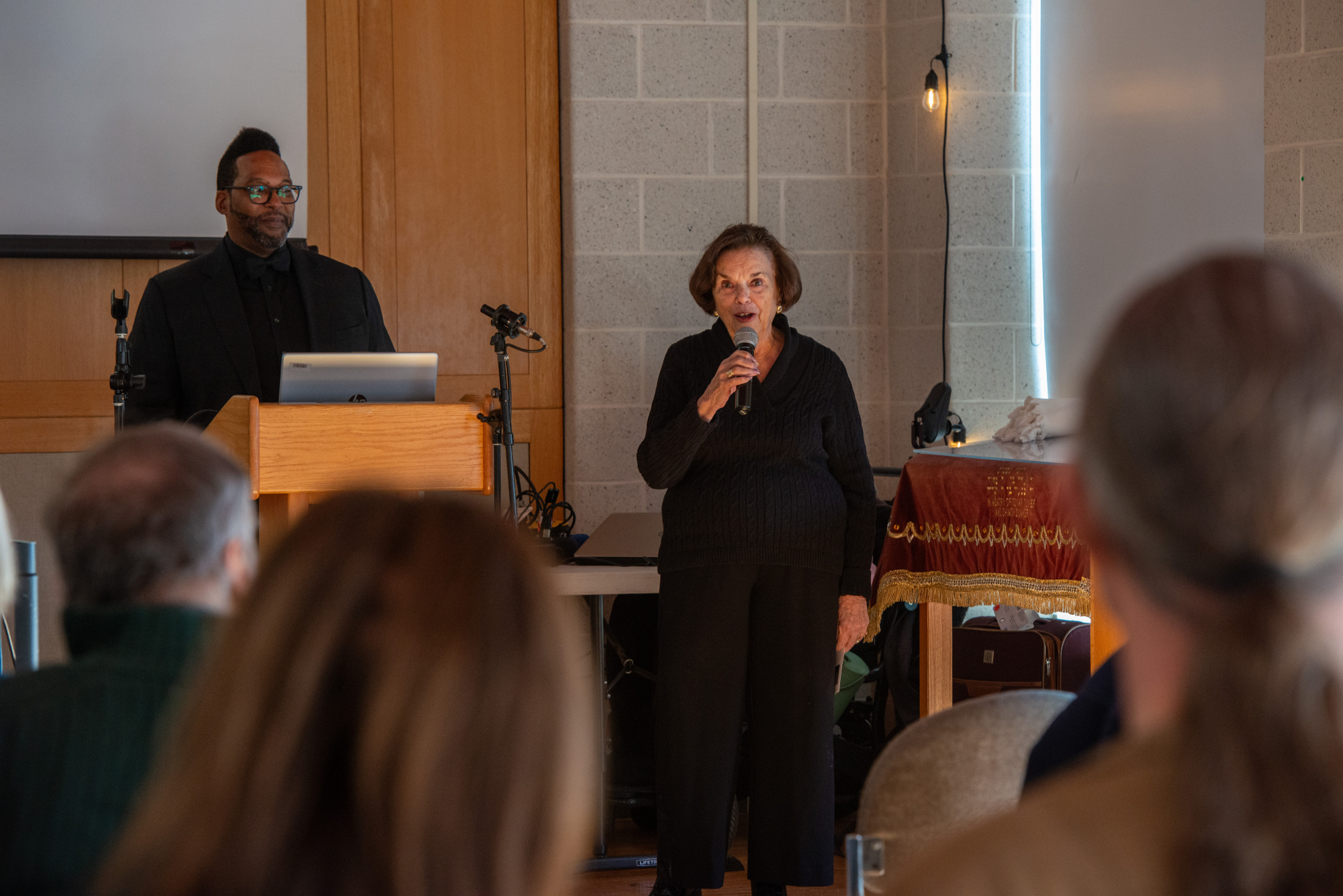
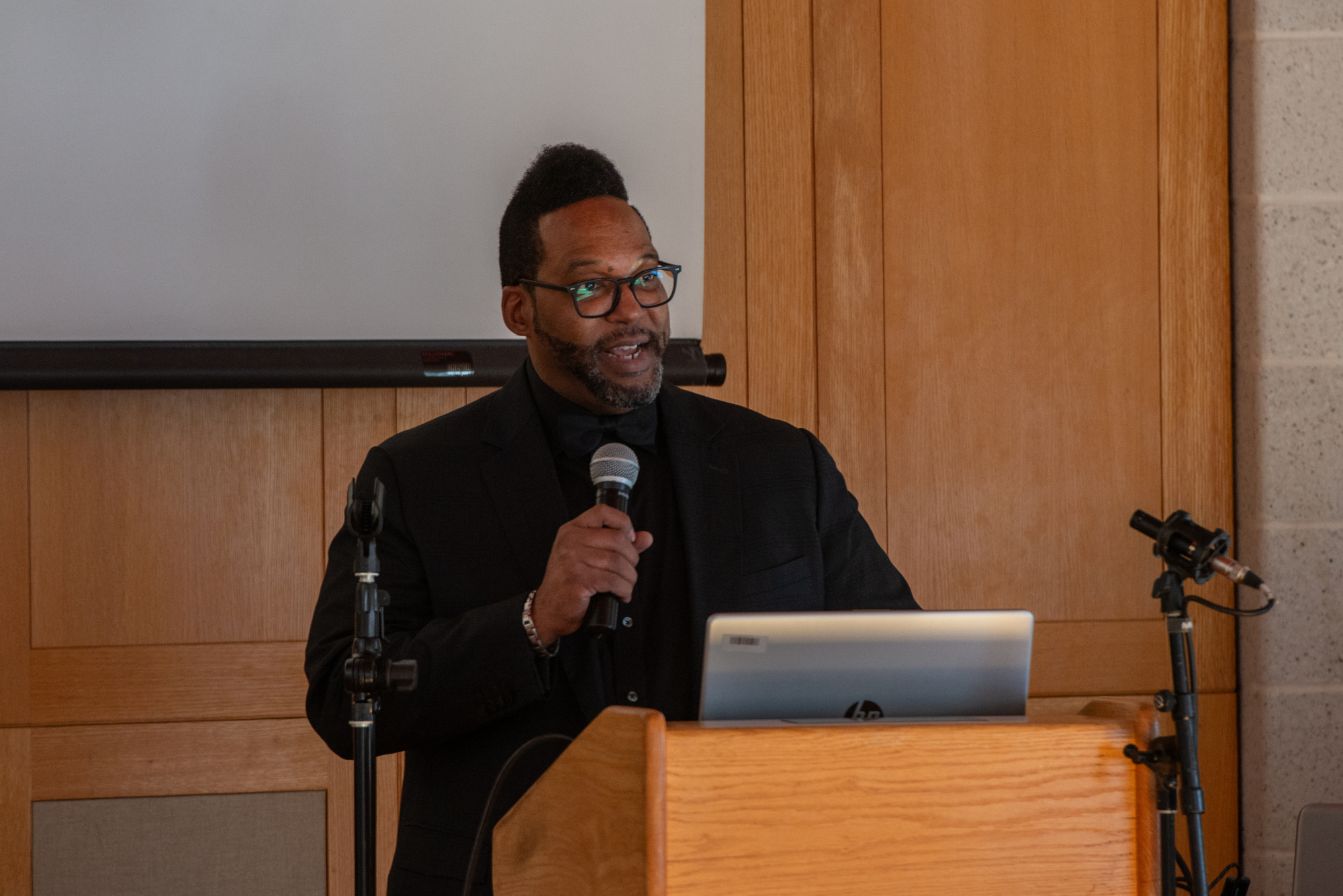
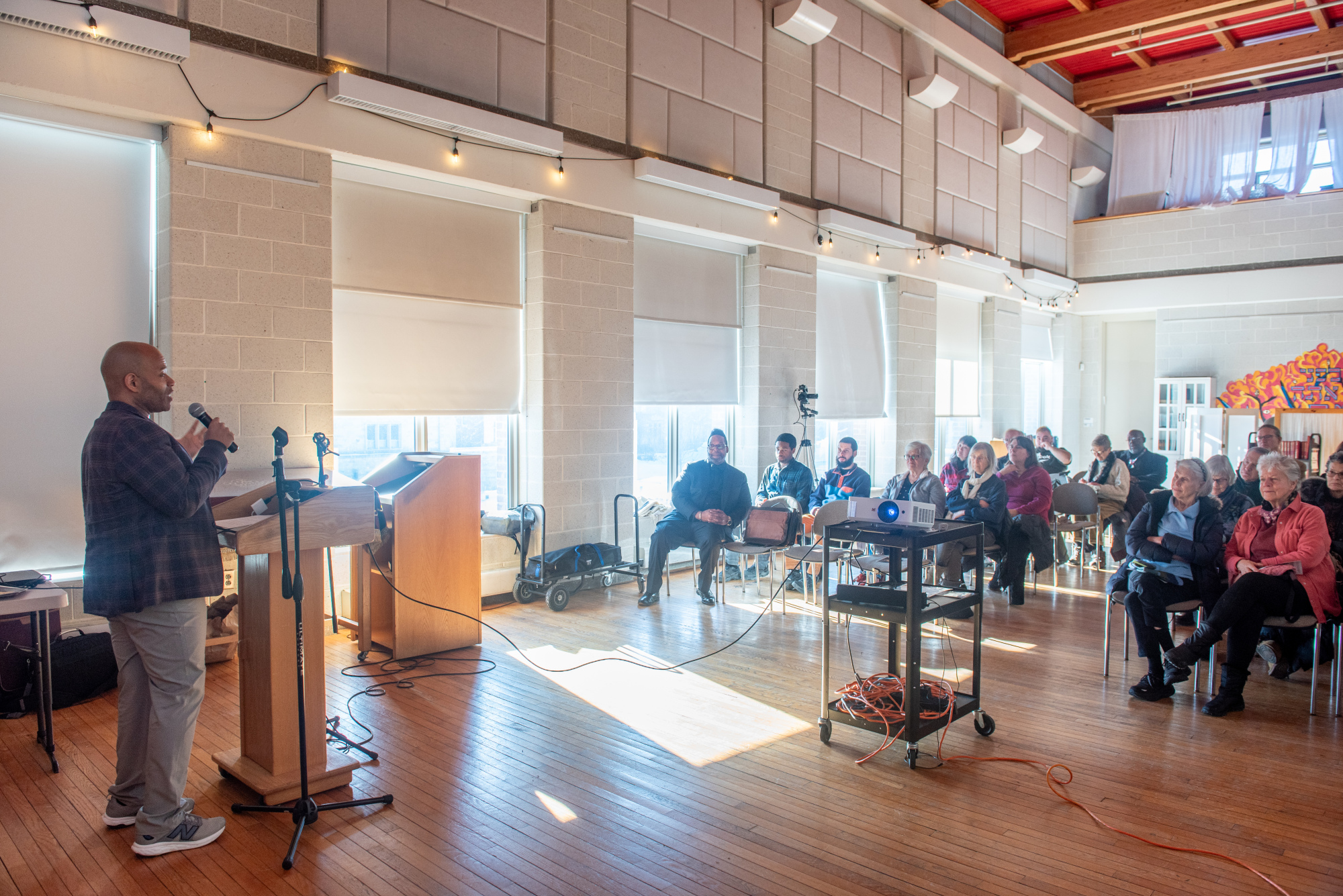
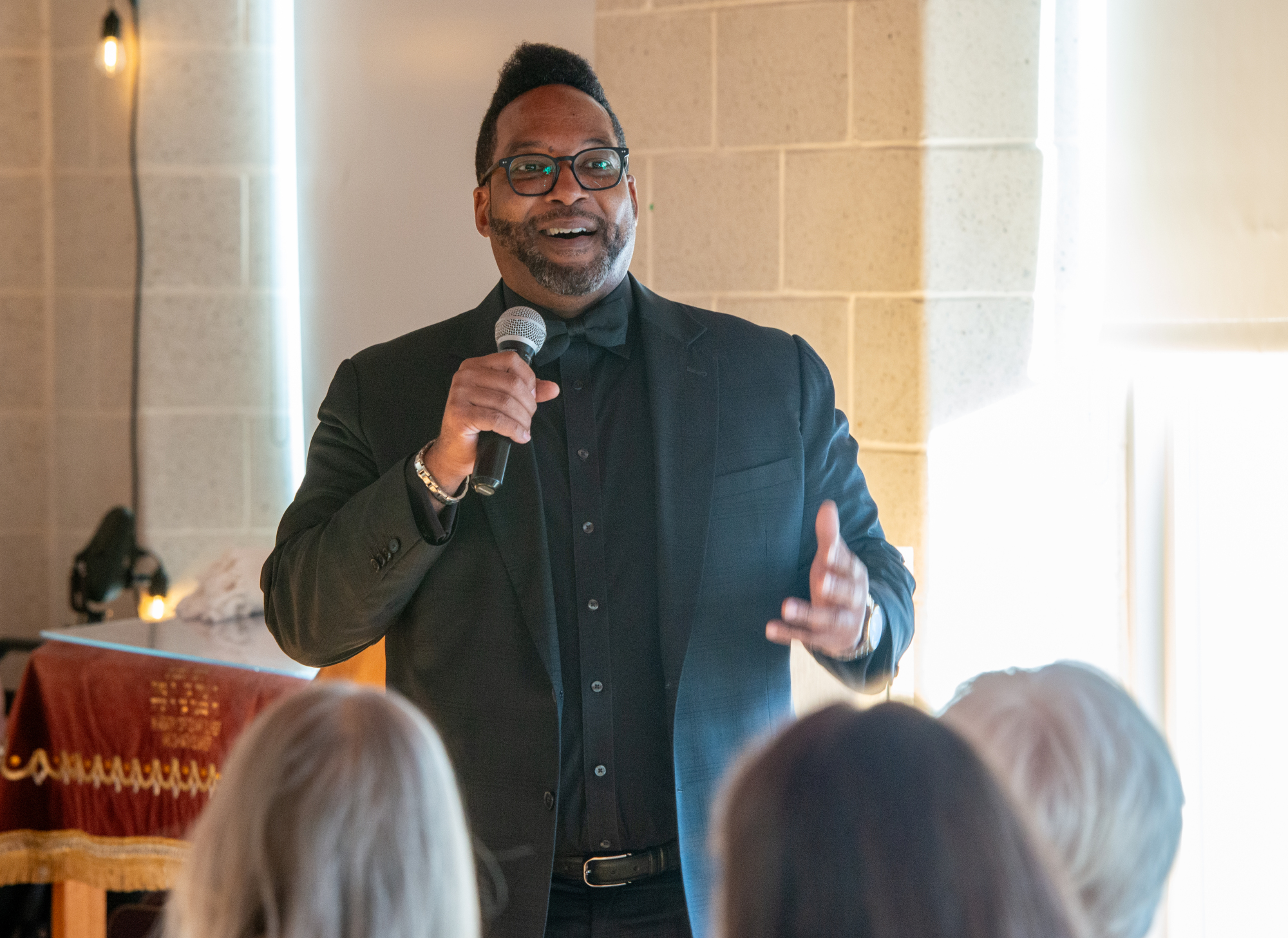
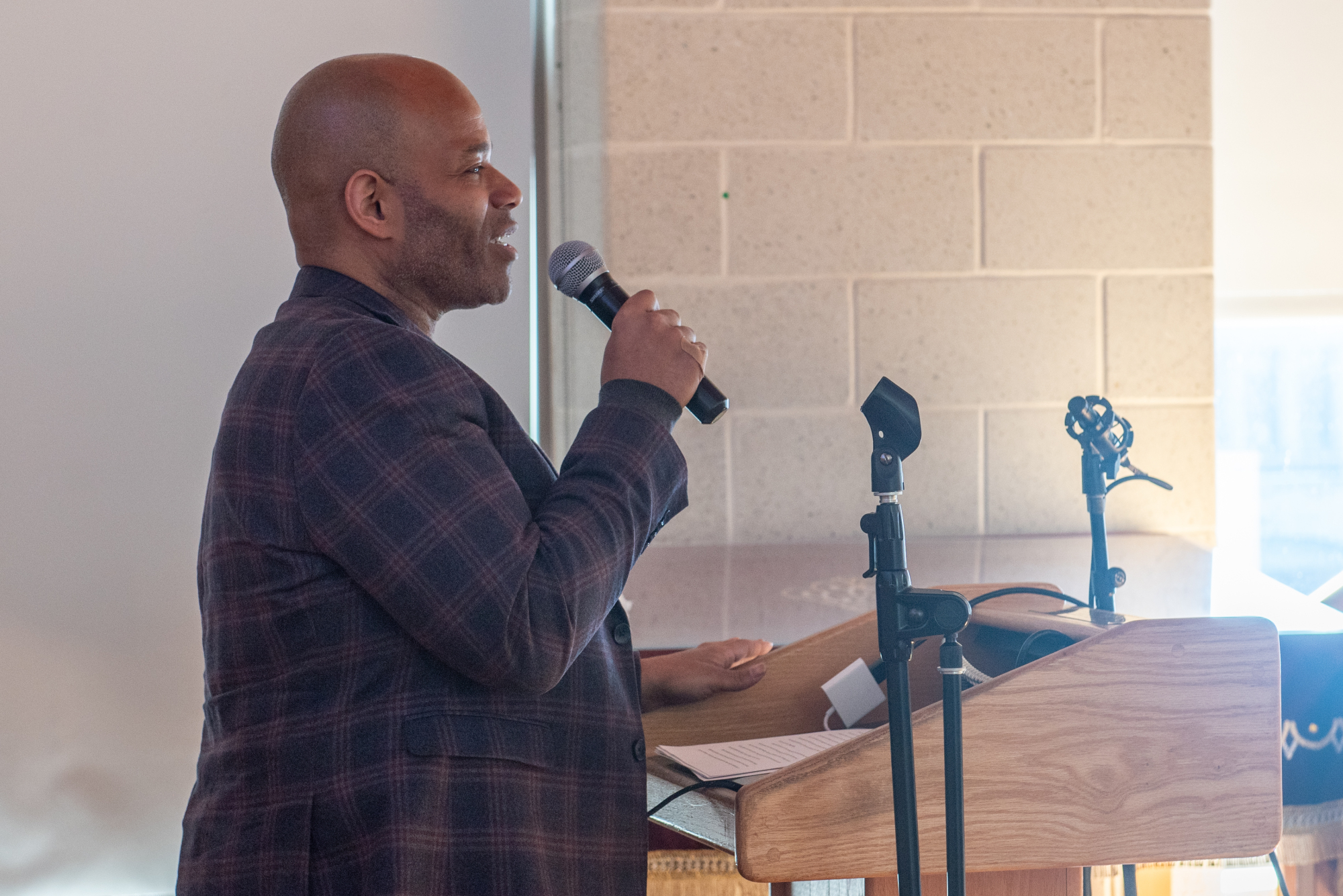
On February 8, the New Haven Chorale presented an inspiring and deeply meaningful exploration of Black musical traditions through a special lecture and concert series honoring Black History Month. The day began at the Slifka Center, where approximately 30 attendees gathered for the lecture, “Black Music in America: The Church House, the Concert Hall, and the Juke Joint,” presented by Dr. Albert Lee and Dr. Jonathan Berryman.
Through scholarship, musical examples, and engaging dialogue, the presenters illuminated how Black music in America reflects a profound history of faith, struggle, resilience, and creativity. From sacred spaces to social gathering places, Black Americans have used music to express identity, hope, and freedom.
The Church House: Faith and Foundation
The Black church has long stood at the heart of African American musical life. Spirituals created during slavery blended African musical traditions with Christian belief, serving as powerful expressions of hope and resistance. After emancipation, gospel music grew from these roots, incorporating elements of blues and jazz.
The lecture emphasized how the church house fostered emotional worship through call-and-response, improvisation, and powerful vocal expression—traditions that later shaped soul, R&B, and other popular genres.
The Concert Hall: Excellence and Recognition
The concert hall symbolizes Black musicians’ pursuit of artistic excellence and recognition within formal institutions. Despite discrimination, composers such as William Grant Still and Florence Price blended classical traditions with African American musical language.
Jazz, too, moved into major performance venues, where artists like Duke Ellington elevated the genre to concert status. In these spaces, Black musicians challenged social barriers and permanently reshaped American music.
The Juke Joint: Community and the Blues
Juke joints—informal gathering places in the rural South—provided space for community, storytelling, and the development of the blues. These venues nurtured a raw, expressive style that addressed love, hardship, survival, and resilience. Music born in juke joints would later influence rhythm and blues, rock and roll, and countless other genres that define American sound.